Our new home was built in record time. Quality and build were all up to a good standard. Issues were dealt with promptly and rectified. The entire build was very well managed by our site supervisor.
Alister
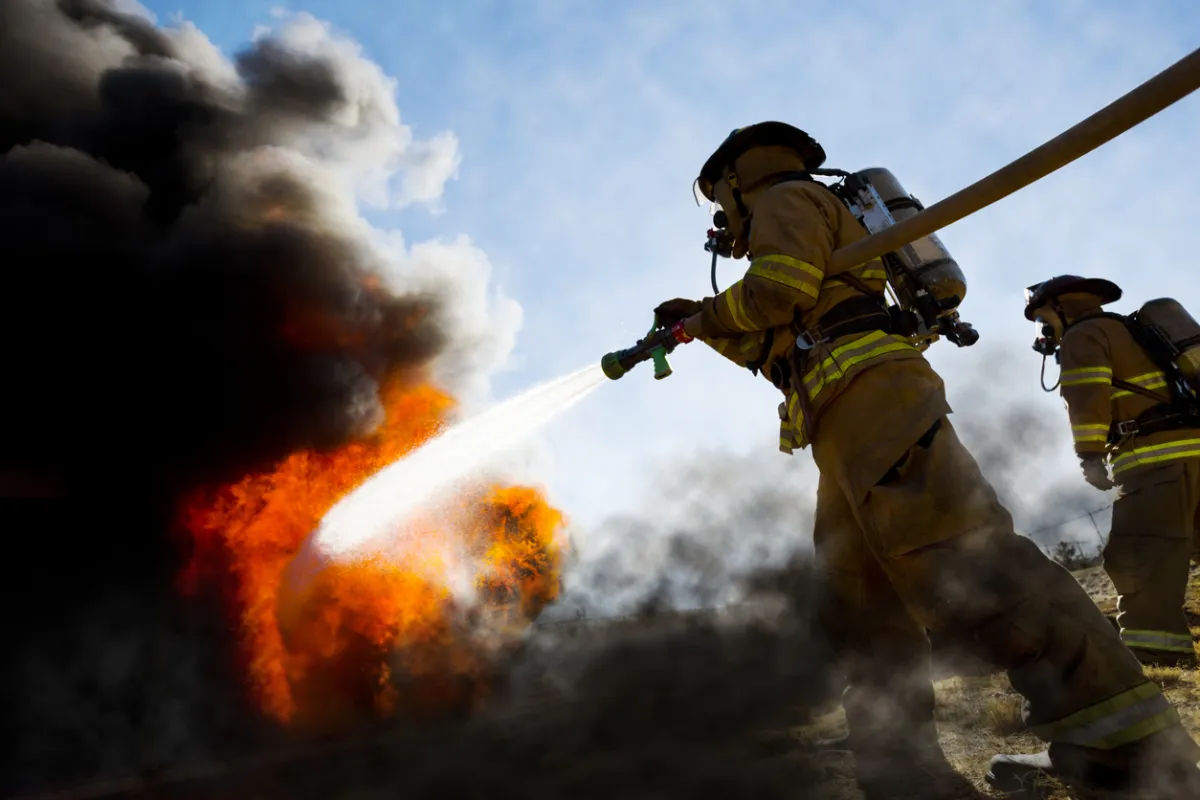
Over the last three decades, we have mastered building bushfire resistant homes throughout New South Wales. To minimise the risk of fire damage to your home, we put the following measures in place:
Place gas lines below ground to minimise the risk of explosions
Position your home and windows strategically to reduce bushfire risk
Add metal fly screens to windows and sliding doors
Place spark arresting vent holes under your home to prevent embers from entering the house from below
Add spark arresting weep holes in the brickwork to allow water to escape
Upgrade windows to thicker glass depending on the bushfire attack level (BAL)
Use G-Tech render board under roofing, fascia, and eaves on homes in flame zones
Seal garage doors to stop embers from entering the home through the door or brickwork
Please note that the Manhattan, Hamptons, and Provincial facades, as well as gables, are not available for projects classified under BAL Flame Zone (BAL-FZ) due to certification complexities.
The bushfire attack level (BAL) considers a number of factors including the slope of the land, surrounding vegetation, and the proximity of the bushfire prone land to any buildings (like your home). It also considers the Fire Danger Index, a measure of the associated fire weather and probability of a bushfire starting, the possible rate of spread, intensity, and difficulty of bushfire suppression.
The Fire Danger Index also considers the combination of temperature, humidity, wind speed, and estimated fuel state (influenced by rainfall and time since the last rainfall).
Below, we have a chart explaining the different BAL levels from low to “flame zone” and what is required at each level to better protect your new home in the event of a bushfire.
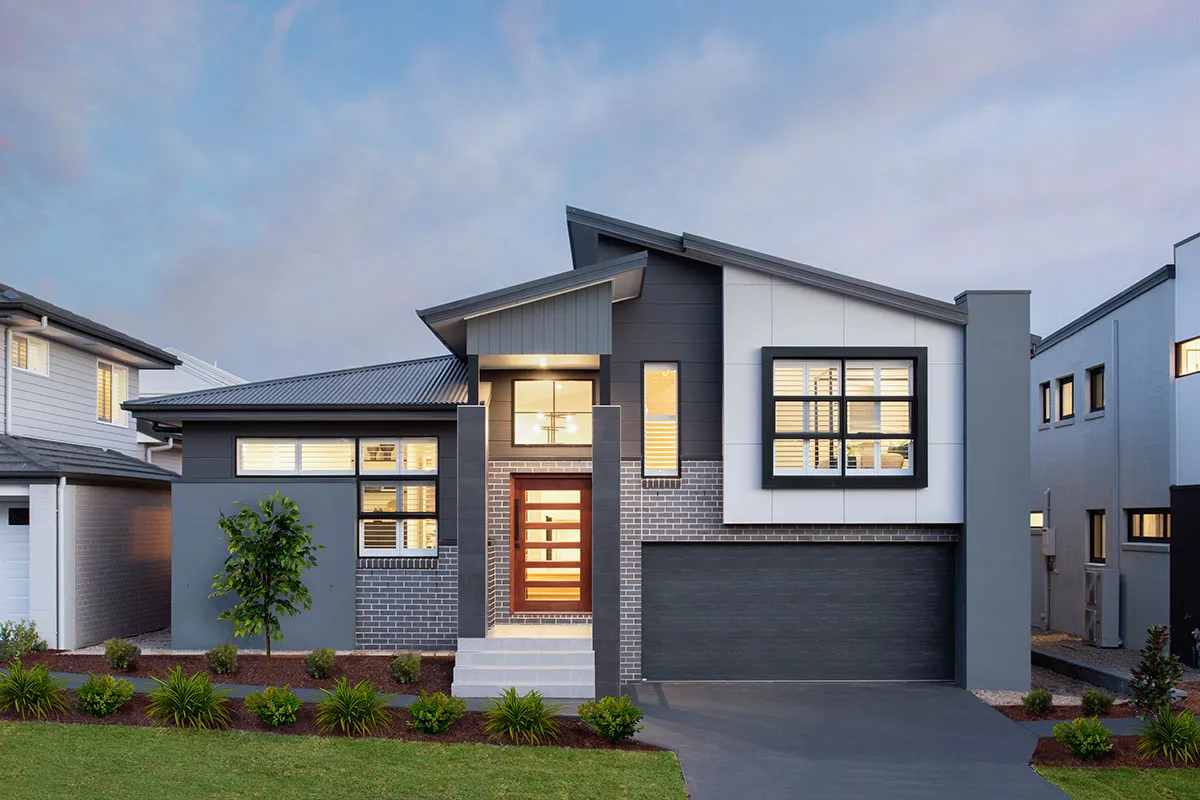
We take all BAL ratings into consideration when building our homes. In the design and planning process, we will provide recommendations for your new home build to ensure you feel safe building in a bush fire zone, while still achieving a beautiful looking home.
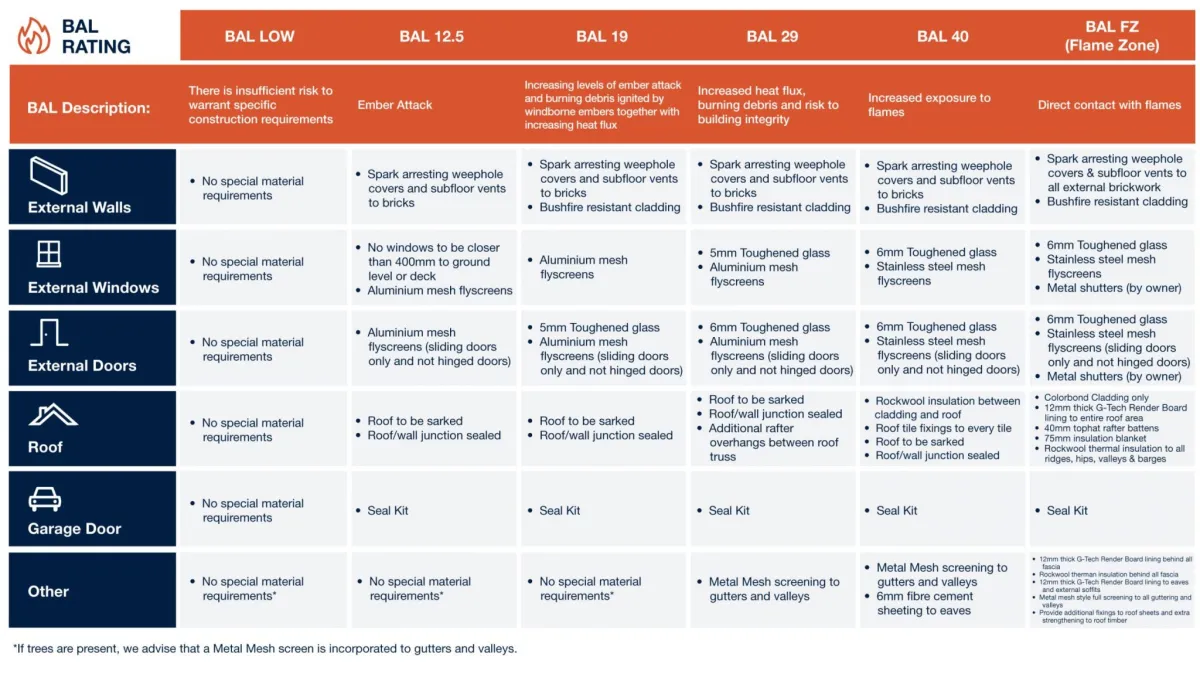
As BAL ratings increase, so does the risk, requirements, and the cost to build or renovate. Additional safety measures are required to make your new home more fire resistant, which can incur some additional costs.
At Montgomery Homes, we’re transparent about our pricing. In the planning phase for homes in bushfire prone land, our team will highlight any additional costs required to safeguard your home, based on the BAL rating of the area. We tailor our house plans and costs to meet your needs and budget. Reach out to talk to our specialists about building in bush fire prone land today.
Trusted home builder in bushfire zones
We’re the one of the only home builders in NSW who can confidently build in all BAL zones - from BAL 12.5 areas to flame zones
Here for good
For more than thirty years Montgomery Homes has operated a with a strong balance sheet and zero debt, you're in safe hands with Montgomery Homes. We have the financial stability to remain committed to building homes now and in to the future.
Award-winning homes
We are incredibly proud to have collected myriad awards throughout our 30 years that recognise our award-winning home designs along with our talented and hardworking employees.
Superior inclusions
We confidently invite you to compare our inclusions to other builders and discover the quality inclusions we offer as standard is what other builders sell as upgrades.
Designs for any site
We build each home as if it was our own. As a Montgomery Homes client, you can rest assured that your dream home will be quality from the inside out.
Absolutely, we recommend this for all up-and-coming homeowners. Many home insurance plans offer “acts of god” or environmental disasters. We recommend taking photos of your new home, your contents, your property, and more to provide your insurance company with as much information as possible in the event of a bushfire.
You will need to contact your local council to confirm whether your home is in a bushfire prone area. If your home is in a bush fire prone area, you will need to consider getting it BAL assessed. Your local council can help with this. Alternatively, the RFS has an online tool to provide a ballpark idea of the BAL in the area.
We’re committed to keeping our clients safe and secure in their new homes. For more than three decades, we’ve designed our homes to be bushfire and flood resistant through smart, innovative planning. Just some of our safety measures include:
Metal fly screens and sliding doors
Well-considered placement of the home and windows on the block
Consideration of the slope of the land
An understanding of the local area and council/RFS requirements
Weep holes to reduce the risk of embers
While our homes are built strong and bushfire-resistant, there are proactive things you can do to protect your home and community in the event of a bushfire.
For example:
Erect a sign on your front lawn to let firefighters know you have a water source (if applicable)
Make sure the water source is easily accessible to firefighters
Make sure you have a bushfire survival plan
Download the RFS bushfire survival plan now.
We always recommend seeking advice from the RFS, but there are a few things you can do to reduce the risk of bushfire on your block. For example:
Keep grass cut low
Ensure there are no overhanging branches over your home
Prune low branches on trees
Keep trees separate - the tops of trees should be 2-5 metres away from each other
Keep garden beds and trees away from windows.
For more information, contact the RFS or get in touch with Montgomery Homes for more details about our bushfire-resistant home designs.
Finance & Pricing
Absolutely, we recommend this for all up-and-coming homeowners. Many home insurance plans offer “acts of god” or environmental disasters. We recommend taking photos of your new home, your contents, your property, and more to provide your insurance company with as much information as possible in the event of a bushfire.
Home Designs
You will need to contact your local council to confirm whether your home is in a bushfire prone area. If your home is in a bush fire prone area, you will need to consider getting it BAL assessed. Your local council can help with this. Alternatively, the RFS has an online tool to provide a ballpark idea of the BAL in the area.
Site Suitability
We’re committed to keeping our clients safe and secure in their new homes. For more than three decades, we’ve designed our homes to be bushfire and flood resistant through smart, innovative planning. Just some of our safety measures include:
Metal fly screens and sliding doors
Well-considered placement of the home and windows on the block
Consideration of the slope of the land
An understanding of the local area and council/RFS requirements
Weep holes to reduce the risk of embers
While our homes are built strong and bushfire-resistant, there are proactive things you can do to protect your home and community in the event of a bushfire.
For example:
Erect a sign on your front lawn to let firefighters know you have a water source (if applicable)
Make sure the water source is easily accessible to firefighters
Make sure you have a bushfire survival plan
Download the RFS bushfire survival plan now.
We always recommend seeking advice from the RFS, but there are a few things you can do to reduce the risk of bushfire on your block. For example:
Keep grass cut low
Ensure there are no overhanging branches over your home
Prune low branches on trees
Keep trees separate - the tops of trees should be 2-5 metres away from each other
Keep garden beds and trees away from windows.
For more information, contact the RFS or get in touch with Montgomery Homes for more details about our bushfire-resistant home designs.
Our team can help find the best home for your family